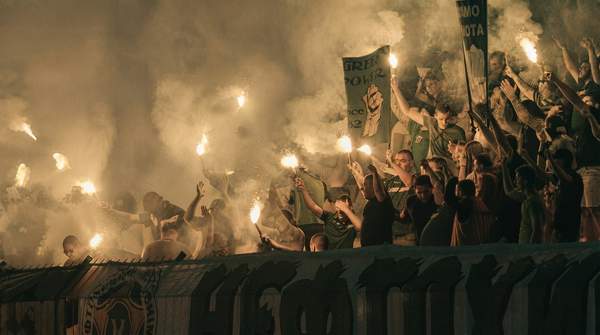
At Fenway Park, home of the Boston Red Sox, Scottish soccer fans chanted ‘We’ve got McGinn, Super John McGinn’ and sang ‘Flower of Scotland’ after the Star-Spangled Banner. This vibrant display of cultural expression occurred during a Scottish Heritage Celebration Night on June 14, drawing more than 5,000 members of the Tartan Army to the baseball stadium, according to The Guardian. The event showcased the powerful community spirit embedded in European fan traditions, momentarily transforming an American sports.an ballpark into a hub of spontaneous collective sound, reflecting a rich history and evolution of sports fan chants and songs.
The cultural impact of these transplanted chants extended beyond Boston. The Miami Marlins hosted Scotland fans eight days after the Red Sox game, recording their largest Monday game crowd in recent years, as reported by The Guardian. England supporters, also in the U.S. for the World Cup, were offered discounted tickets to an Atlanta Braves home game, further integrating European fan culture into American baseball venues. These instances illustrate a significant draw and cultural influence of European soccer chant traditions, capable of generating substantial fan engagement and attendance even when introduced to unfamiliar sports contexts.
Fan chants are born from spontaneous community expression, but their organic nature often clashes with the commercially curated atmosphere of modern sports and can even lead to legal complications. While the authentic power of fan-led chants will continue to thrive in traditional environments, their widespread adoption in more commercially controlled sports settings will likely remain challenging without significant cultural shifts and a clearer understanding of intellectual property rights.
The Organic Evolution of Fan Anthems
English soccer chants develop organically among fans in pubs or on trains before games, sometimes emerging spontaneously between leaving a station and arriving at a stadium, as reported by The New York Times. The organic development of English soccer chants, emerging spontaneously in pubs or on trains, highlights their grassroots origin as a crucial distinction in the history and evolution of sports fan chants and songs. These vocal expressions are not centrally produced or distributed; they arise from collective interaction, reflecting the nuanced media text of fan sociology.