Selecting the right athletic swim trunks involves more than just picking a color or pattern. For anyone active in or out of the water, the best choice depends on a careful evaluation of three key features: the fabric's performance, the style of the liner, and the cut's length. Modern swimwear is technical gear, and understanding how these elements work together ensures your trunks enhance your activity, whether you're swimming laps, surfing, or playing beach sports. A pair designed for comfort and performance will feature quick-drying materials, an appropriate liner for support, and a length that allows for a full range of motion, turning a simple garment into essential equipment.
Understanding Performance Fabrics: Stretch and Drying
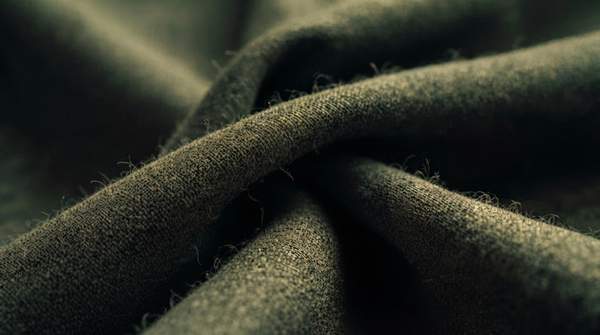
The material of your swim trunks is the foundation of their performance. Modern athletic swimwear often utilizes advanced fabrics designed for both comfort and durability. One of the most significant features for active use is four-way stretch, which allows the material to move with your body. This provides enhanced mobility that is crucial for dynamic activities like surfing or beach volleyball, preventing the trunks from feeling restrictive during athletic movements and allowing for a complete range of motion.
Equally important is the fabric's ability to dry quickly. Materials such as recycled polyester are engineered to shed water rapidly, a feature highlighted by swimwear makers like Speedo as essential for comfort. This quality prevents the trunks from becoming heavy and waterlogged, which can impede movement and cause chafing. Breathable fabrics further contribute to this, making the transition from the pool to a beach chair seamless and comfortable. Many performance trunks also include practical details like adjustable drawstring waists to ensure a secure fit during any aquatic adventure.
Liner Types: Support, Comfort, and Movement
The liner is a critical, and often debated, component that dictates much of a swim trunk's support and feel. The right choice depends entirely on your planned activity and personal comfort. For many, traditional mesh liners offer a baseline of breathability and support suitable for recreational swimming and lounging. However, some brands have innovated to address the chafing that can sometimes accompany classic mesh. Fair Harbor, for instance, offers a "BreezeKnit" liner, which it describes as a soft and supportive alternative that provides a snug feel while keeping you cool.
For more intense athletic pursuits, other liner options may be more suitable. According to guidance in GQ, performance trunks with a built-in compression liner are specifically designed to provide robust support during a workout, much like athletic compression shorts. This can be ideal for lap swimming or water sports where muscle support is beneficial. Conversely, for activities requiring maximum freedom of movement, a linerless design is often preferable. Boardshorts, for example, are typically made without liners to allow for better, unrestricted movement and to prevent them from getting waterlogged and heavy during sports like surfing.
Length Considerations: Inseam and Outseam for Activity
The length of swim trunks, measured by the inseam or outseam, affects both style and function. Shorter inseams, such as 5.5 or 6 inches, offer the greatest mobility for your legs, which is beneficial for running on the beach or swimming laps. This length has also become a popular, modern aesthetic. An 8-inch inseam often hits what one style editor called the "sweet spot," providing a versatile mid-length option that balances a polished look with functional comfort for a wide range of activities.
Outseam measurements, which gauge the length from the top of the waistband to the bottom hem, provide another way to assess coverage. According to reporting in Men's Health, a 17-inch outseam is considered a casual mid-length, while a 14-inch cut is more fashion-forward and shorter. For those seeking maximum coverage, a 20-inch outseam is also an option, typically found in boardshorts. The ideal length often depends on the specific activity; for instance, some boardshorts feature a scalloped leg design, which improves mobility by removing fabric from the side of the leg, regardless of the overall length.
Swim Trunk Decision Framework
To find the ideal swim trunks, consider your primary activities and comfort preferences. This framework maps key features to different athletic needs, helping you prioritize what matters most for your performance in and out of the water. Use this table to match your intended use with the features that will best support it.
| Feature | Primary Benefit | Ideal For |
|---|---|---|
| Four-Way Stretch Fabric | Enhances mobility and comfort during dynamic movements. | Surfing, beach volleyball, water sports, and any activity requiring a full range of motion. |
| Quick-Drying Fabric | Provides comfort for transitioning between water and land; prevents waterlogging. | All-day beach or pool use, travel, and activities where you're frequently in and out of the water. |
| Compression Liner | Offers robust support during intense physical activity. | Lap swimming, water aerobics, and high-intensity workouts. |
| Mesh Liner | Provides basic support and breathability for general use. | Recreational swimming, lounging by the pool, and casual beach days. |
| Linerless Design | Maximizes freedom of movement and prevents waterlogging. | Board sports like surfing and wakeboarding where unrestricted motion is critical. |
| Shorter Inseam (5-6 inches) | Increases range of motion for legs and offers a modern style. | Running, active beach games, and swimmers who prefer less fabric. |
| Mid-Length Inseam (7-8 inches) | A versatile balance of coverage, style, and mobility. | General-purpose use, suitable for most water activities and casual wear. |
Making Your Choice: A Tailored Approach
Ultimately, the best performance swim trunks are the ones that align with your specific needs. By moving beyond aesthetics and focusing on functional design—fabric, liner, and length—you can find swimwear that actively contributes to your performance and comfort. The key is to prioritize the features that will most benefit your chosen activities, understanding the inherent trade-offs between support, mobility, and coverage.
Choose swim trunks by prioritizing fabric characteristics, liner type, and length based on your primary athletic activity and desired comfort/support. When you evaluate options, consider whether your priority is the unrestricted movement offered by four-way stretch and a linerless design for board sports, or the athletic support of a compression liner for swimming laps. The right pair will feel like a piece of essential equipment, not just an article of clothing, allowing you to focus on your performance.
Sources
- These Swim Trunks Pulled Double Duty All Summer Long — Men's Health
- The Best Swim Trunks Do Everything Else Too — GQ
- Men's Swimming Shorts — Speedo