A decade after launching in 2015 to mixed reviews, Rainbow Six Siege remains one of the hardest competitive shooters to master not because any single mechanic is punishing, but because three systems—environmental manipulation, operator counter-play, and information control—continuously feed into one another. Understanding how these pillars interact, rather than memorizing a roster of gadgets, is what separates players who plateau from players who keep improving.
The Enduring Tactical Depth of Rainbow Six Siege
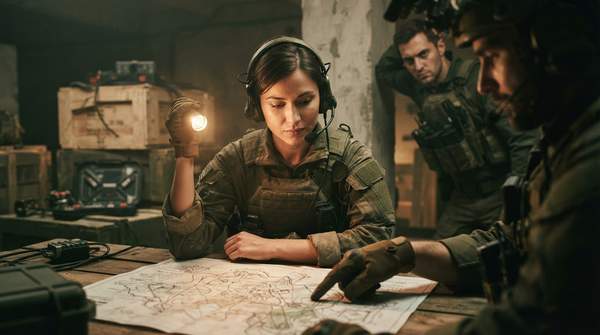
Siege's core format has barely changed since launch, as coverage a decade on observes: five attackers, five defenders, one round, and almost no room for mistakes. What has changed is everything around that format—new operators, new maps, seasonal balance changes, and technical overhauls. Ubisoft's own beginner materials describe the game as a high-precision tactical shooter that prioritizes careful planning, teamwork and finely tuned tactical play.
Critics identified the source of its depth early. Ben Griffin of GamesRadar praised the destruction mechanic specifically for bringing tactical depth to the game, while others noted that the map design "opened many possibilities." That combination—destructible surfaces inside layered maps—is where the game's complexity begins, and it is the first of the three pillars.