Athletes are spending real money on recovery technology, but the scientific record suggests a more cautious verdict than the marketing implies. A narrative review of recovery strategies published in the PMC database reports that cold water immersion delivers physiological and performance recovery benefits comparable to whole-body cryotherapy, at a fraction of the cost. Meanwhile, reviews of electrical muscle stimulation find inconsistent results for general recovery, and virtual reality's clearest benefit is motivational rather than physiological. Here is how the three most heavily promoted tools hold up against the evidence—and against cheaper alternatives.
Whole-Body Cryotherapy (WBC): Cold Comfort or Scientific Chill?
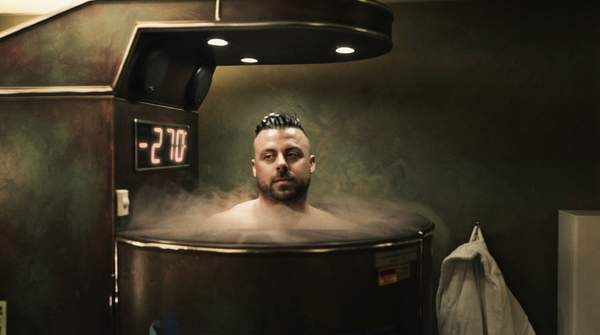
Whole-body cryotherapy exposes athletes to extreme cold in a chamber, with proponents claiming reduced muscle soreness, reduced inflammation, and faster recovery of athletic capacity. The evidence is not empty: a review of 16 studies, cited in the PMC narrative review, reported that muscle pain was reduced in 80% of studies investigating WBC applied immediately after damaging exercise, alongside reduced inflammation, lower blood markers of muscle damage, and improved recovery of measures such as maximal voluntary contraction force.
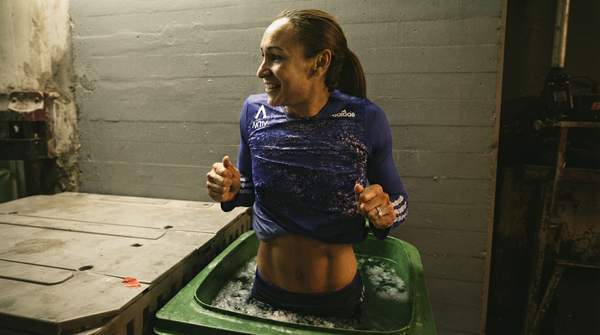
But the same review flags a practical caveat that changes the cost-benefit math. Cold water immersion has been shown to offer comparable physiological and performance recovery benefits to WBC, and may provide a more practical and less expensive alternative—a factor the authors say may reasonably influence athlete and coach choice. Sportsmith's assessment of ten recovery tools reaches the same conclusion: even granting some positive findings for soreness, inflammation and muscle damage markers, athletes can obtain similar benefits with other strategies at a fraction of the cost, and its verdict is not to go out of the way to buy a cryotherapy chamber.
Electrical Muscle Stimulation (EMS): Targeted Recovery or Mixed Signals?
EMS devices pass current through the muscles, with marketed claims spanning recovery, pain relief, and strength enhancement. The recovery evidence is genuinely mixed. A 2014 review of 13 EMS studies, reported in the PMC narrative review, found that only one study showed a performance recovery benefit and four showed a benefit to perceived muscle pain or exertion, with the remainder showing no benefit compared with active or passive recovery methods. A 2020 review of 11 studies likewise reported inconsistent findings for both strength and endurance outcomes—though the authors note it is difficult to draw conclusions given the wide variety of devices, protocols, electrode placements, and stimulation frequencies and intensities used.
The picture sharpens when EMS is used as a training adjunct rather than a recovery tool. A systematic review conducted under PRISMA guidelines, which assessed EMS in soccer players across ten studies, found six demonstrating significant improvement in athletic performance following local or whole-body EMS application. Literature from 2020 onward summarized by medical-technology writer Dr. Zátrok Zsolt indicates EMS sport programs are mainly useful for combined superimposed training, which shows the largest effect sizes, strength gains at matched training volume, and warm-up support with small but measurable performance gains. For recovery specifically, his summary is blunt: EMS is better than passive rest but worse than active aerobic recovery.
Virtual Reality (VR): Mental Edge or Physical Recovery?
VR occupies a different category entirely. According to Acibadem Hospitals Group's editorial team, virtual reality in physical therapy "makes rehab fun and engaging" and "turns boring exercises into games," keeping athletes motivated, focused, and committed to their rehab goals during long recovery periods. That is a meaningful benefit—adherence to rehabilitation programs is a real obstacle—but it is psychological and engagement-based, not a direct physiological recovery mechanism.
A PMC overview of smart devices and tele-exercise technologies adds context on VR's broader limits: technical constraints such as latency and graphics resolution, the unresolved question of whether skills learned in virtual reality transfer validly to the real world, and side effects such as motion sickness. For an injured athlete struggling through months of rehab, gamified exercise may genuinely help compliance. For someone shopping for a post-training recovery modality, VR is not competing on the same axis as cold exposure or sleep.
Comparative Analysis of Athlete Recovery Technologies
The table below juxtaposes each technology against a common set of criteria—claimed benefit, the scientific verdict, and practical considerations—drawn from the reviews above. Reading across the rows reveals the core trade-off: the most expensive option has the cheapest comparable alternative, and the tool with the clearest evidence for a distinct benefit works through motivation rather than physiology.
| Technology | Claimed Benefit | Scientific Evidence Verdict | Practical Considerations (Cost/Accessibility) |
|---|---|---|---|
| Whole-Body Cryotherapy (WBC) | Reduced muscle soreness, inflammation, and faster recovery | Muscle pain reduced in 80% of studies in a 16-study review, with reduced inflammation and improved recovery of athletic capacity—but cold water immersion shows comparable benefits | High cost and limited accessibility; cold water immersion is a more practical, less expensive alternative |
| Electrical Muscle Stimulation (EMS) | Muscle recovery, pain relief, strength enhancement | Inconsistent for general recovery; better than passive rest but worse than active aerobic recovery; clearest gains in strength and jump performance come from combined superimposed training | Device cost and proper application matter; effectiveness varies widely with protocol, electrode placement, and stimulation parameters |
| Virtual Reality (VR) | Engaging, gamified rehabilitation that keeps athletes motivated | Supports motivation and adherence during rehab; no direct physiological recovery mechanism established | Technical limits include latency, graphics resolution, and motion sickness; transfer of skills to real-world performance remains uncertain |
Foundational Recovery: Effective and Accessible Alternatives
The most striking finding across these sources is how well the low-tech options perform. Cold water immersion matches whole-body cryotherapy on physiological and performance recovery measures while avoiding the chamber's cost and practical constraints—though it is worth noting that the physiological mechanisms and optimal protocols for cold water immersion remain under investigation, just as they do for WBC itself.
Sleep, meanwhile, is the baseline everything else sits on. The PMC narrative review reports that athletes may struggle to obtain the recommended seven to nine hours of sleep per night due to factors such as early morning training and study commitments, compromising recovery. Yet increasing nightly sleep duration has been shown to improve sprint time, reaction time, aerobic capacity, and body composition. No device in this comparison can claim a benefit profile that broad.
Making Evidence-Based Recovery Choices
The decision this evidence supports is to prioritize foundational recovery strategies—optimal sleep and accessible methods like cold water immersion—and to evaluate high-tech solutions critically against robust evidence and practical cost before adopting them. None of this constitutes medical advice or a prescribed recovery protocol, and the comparison here is limited to the technologies with sufficient evidence in the sources reviewed; nutritional strategies and supplements fall outside its scope.
The measurable indicator of success is a shift in personal recovery spending toward evidence-backed, cost-effective methods, or a more critical assessment of new recovery technology claims before adoption. Concretely: before paying for another cryotherapy session or EMS device, check whether the claimed benefit survives comparison with cold water immersion, active aerobic recovery, or an extra hour of sleep. If the vendor cannot point to evidence stronger than the alternatives, the cheaper option wins.
Sources
- Fundamentals or Icing on Top of the Cake? A Narrative Review of… — PMC
- Gimmicks or game-changers: Assessing the evidence for 10 recovery tools and techniques - Sportsmith
- MDPI
- What to know about muscle stimulation training programs - Dr — MediMarket.com
- How Better Technology Improved Sports Injury Rehabilitation Through Advanced Treatment Planning — Acibadem Hospitals Group
- Smart Devices for Health and Wellness Applied to Tele-Exercise — PMC