
All Stories

Slides, Closed-Toe Shoes, or Compression: Which Recovery Footwear Fits Your Post-Workout Needs?
Recovery footwear falls into three main categories: cushioned slides, closed-toe shoes, and compression wear, each offering distinct benefits for post-workout relief and muscle recovery. This guide helps you choose the best option based on your specific needs, activity level, and any existing foot conditions.

Why Sports Brands Feel Cultural, Not Just Technical: Three Loyalty Engines Beyond Performance
Sports brands build lasting loyalty through cultural strategies like athlete-led storytelling, sustainability commitments, and digital community engagement, appealing to aspiration, values, and belonging rather than just product performance.

Us vs. Them: Why Sports Rivalries Get Under Our Skin — and What Pushes Fans Past the Line
Sports rivalries are rooted in Social Identity Theory, where fans gain self-esteem from group affiliation and define themselves against rivals. This passion can escalate to deviant behavior when situational factors, like perceived unfair treatment, trigger collective action via the Elaborated Social Identity Model.

Four Pillars of a Financial Plan for Life After Professional Sports
Professional athletes face a unique financial transition due to short, high-income careers and significant expenses. A structured four-pillar plan—advisory team, investments, cash flow management, and new income streams—is crucial for long-term financial security after sports.

Introducing LigaBJJ: A Clear-Eyed Look at the Central American BJJ Tournament Play
LigaBJJ is a professional Brazilian Jiu-Jitsu competition circuit and ranking system dedicated to the Central American region. As one of the most popular combat sports globally, BJJ's competitive scene is expanding, and …

Why a Cyclist Tucks and a Ski Jumper Spreads: Fluid Dynamics in Sports Equipment
High-performance sports equipment is engineered around fluid dynamics, either to minimize drag for speed in cycling and swimming or to optimize lift-to-drag for distance in ski jumping. Understanding this core physical principle explains the distinct designs and postures seen across different athletic disciplines.
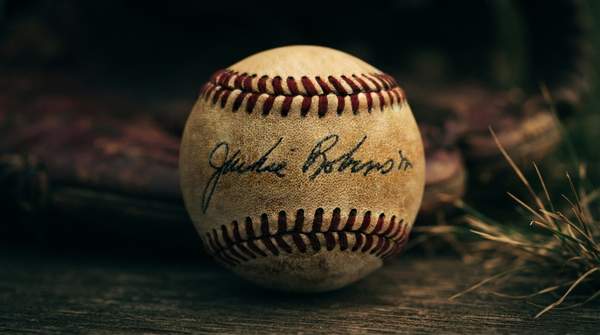
How to Value Sports Memorabilia: A Four-Factor Framework for Investment Decisions
Learn to systematically value sports memorabilia for investment by assessing athlete significance, rarity, condition, authentication, and market demand. This article provides a four-factor framework and a checklist to guide your investment decisions beyond passion.

Who Profits From the World Cup? FIFA Captures the Revenue, Hosts Carry the Costs
The World Cup's economic model creates two separate ledgers: FIFA accrues vast revenues from broadcasting, sponsorships, and ticketing, while host nations shoulder significant costs for infrastructure, security, and operations, often resulting in a net deficit for the host.

From Ritual to Spectacle: How Olympic Ceremonies Became Stages for Nations
Olympic ceremonies have evolved from formal sporting rituals into elaborate national spectacles, serving as stages for cultural expression and soft power. This evolution, marked by key milestones, showcases their dual purpose of celebrating athletic achievement and projecting host nation identity.

Avoid These 5 League Management Mistakes: Lessons From Sports Solutions Pro
Running a successful sports league involves more than just passion; it requires efficient, modern tools. Many clubs and coaches, however, still rely on outdated methods, leading to common sports league management mistake…

From Linen to Engineered Textiles: How Sports Uniforms Traded Identity for Performance
Sports uniforms have evolved from simple linen garments for movement to modern engineered textiles that enhance athletic performance. This history traces the shift in priority from visibility and identity to comfort, durability, and physiological function.

Peptides for Recovery: Why Athletes Hear Big Promises and Find Small Evidence
Athletes seeking recovery peptides like BPC-157 often encounter promising animal studies but lack FDA approval and human evidence, while GLP-1 agonists, though FDA-approved for medical use, are not for athletic performance. Understanding the evidence, approval status, and sourcing is crucial to avoid health and anti-doping risks.

Beyond Ice Baths and Hype: The Physiology That Actually Drives Athlete Recovery
Athlete recovery is driven by three core physiological processes: muscle repair, inflammation modulation, and nervous system restoration. Understanding these pillars helps distinguish evidence-based techniques from popular trends for optimal performance and health.

Why Early Sports Specialization Can Erode a Young Athlete's Mental Health — and What Actually Protects It
Early sports specialization can negatively impact young athletes' mental health, but the training environment is the decisive factor in protecting their well-being. Fostering resilience through fun, life skills, and supportive climates is crucial, often making multi-sport participation a better alternative.

5 Ways GamePlanLab Tracks Youth Baseball Pitch Counts Better
In youth baseball, technology and data analytics are increasingly vital for coaching and player development. For coaches, managing player safety, especially pitcher arm health, is paramount. Manually tracking pitch count…
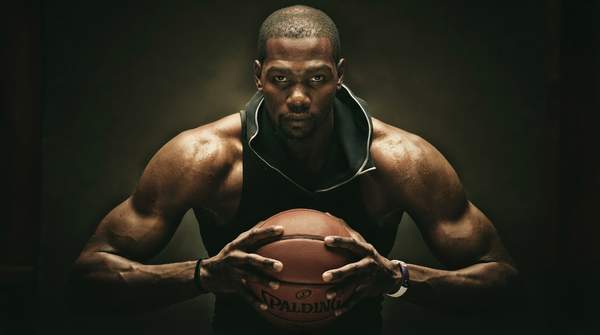
From Newsreel to Character Study: How Sports Documentaries Stopped Filming the Game and Started Filming the Person
Sports documentaries have evolved from simple event records to complex character studies, shifting focus from the game itself to the intimate lives and vulnerabilities of athletes. This transformation spans three eras: early spectacle, investigative storytelling, and the current athlete-centric 'golden age' driven by streaming platforms.

What to Eat After Training: Five Evidence-Based Recovery Strategies Compared
This article compares five evidence-based nutritional strategies for post-exercise recovery, including carbohydrates, protein, creatine, collagen with vitamin C, and omega-3 fatty acids. It details their mechanisms, optimal timing, and key benefits to help athletes match strategies to their specific recovery goals.

How Sports Legacies Are Built: Athletes, Media, and Fans as Co-Authors of Memory
A sports legacy is a social construction built by the interplay of athlete actions, media narratives, and fan communities, with fans acting as active co-creators of collective memory. This dynamic interaction, especially amplified in the digital age, determines how enduring legacies are formed and sustained.
Four Financial Skills Every Young Athlete Needs—and How to Pick Which One to Master First
Young athletes face unique financial challenges due to short careers and variable income. This guide outlines four essential skills—budgeting, saving, investing, and tax planning—and offers a self-assessment to help prioritize which one to master first for long-term financial security.

How to Organize Your Golf Bag for Tournament Play: The Aiming Fluid Golf System Guide
Organizing your golf bag for tournament play is about creating a predictable system where frequently used items have fixed locations, reducing unnecessary friction and allowing you to focus on your game. The Aiming Fluid Golf System emphasizes treating cleaning, access, and storage as a unified on-course system.
Visualization, Self-Talk, and Goal-Setting: Matching the Right Mental Skill to the Pressure You Face
Elite athletes strategically employ visualization, positive self-talk, and goal-setting, matching each mental skill to the specific type of performance pressure they face. Understanding whether pressure is internal or external, and when it occurs, helps athletes select the most effective technique for peak performance.
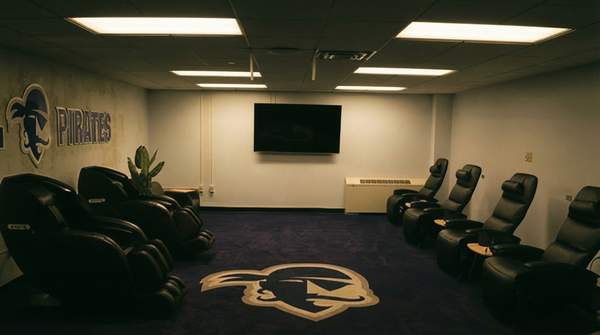
Red Blood Cell Recovery in Basketball Players Happens in Two Distinct Phases Over 48 Hours
Red blood cells in basketball players recover in two distinct phases over 48 hours, with mechanical adaptation occurring in the first 24 hours and antioxidant defenses bolstering in the second 24-hour window.
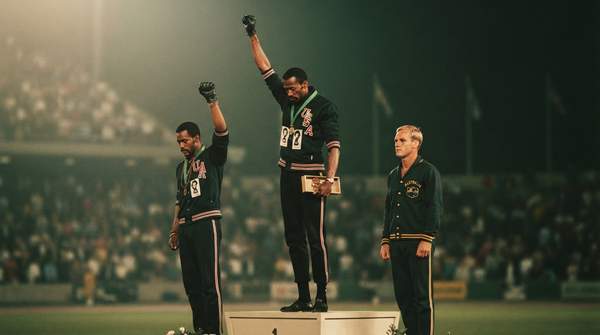
From Mexico City to Tokyo: How Athlete Protests Forged Olympic Rule 50
The article traces the evolution of Olympic Rule 50, detailing how athlete protests, starting with the 1968 Mexico City Games, have shaped its codification and enforcement. It examines the rule's history, its recent relaxation for the Tokyo Games, and the enduring tension between Olympic neutrality and athlete expression.
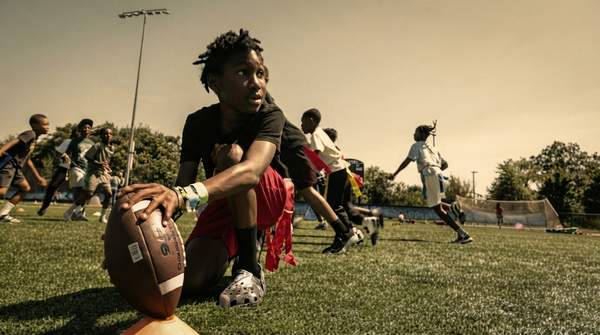
Two Ways to Spot Talent: Why Youth Sports Programs That Reward Early Size Often Get the Wrong Kids
Youth sports talent identification broadly splits into performance-based models, which select based on current ability and often favor early maturers, and holistic/developmental models, which assess long-term potential and psychological factors. Understanding these approaches is crucial for parents and coaches evaluating programs.