
All Stories

How a Team Boxing League Match Works Across 24 Three-Minute Rounds
With combat sports gaining significant mainstream attention, fans are seeking new and engaging formats. According to Forbes, disciplines like MMA and boxing are seeing increased participation and viewership. The Team Box…
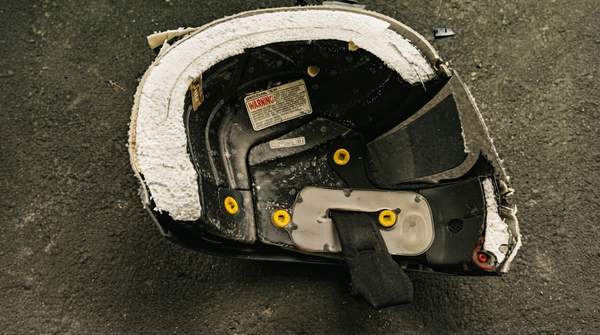
How Sports Helmets Protect Your Brain: The Physics and Materials Inside the Shell
Sports helmets protect the brain by spreading impact forces and extending collision time through advanced materials like viscoelastic foam. This process reduces head acceleration, minimizing brain injury by controlling the forces transferred during impacts.

Merino, Synthetic, or Blend: The Five Features That Decide Your Cold-Weather Base Layer
There is no single best base layer material for extreme cold; the ideal choice depends on your activity level and weather. Key features like warmth, moisture-wicking, drying speed, durability, and odor control differentiate Merino wool, synthetics, and blends.

How Greek Philosophy and Chilean Hardship Shape Two Distinct Coaching Philosophies
A 2024 study reveals how Greek philosophical legacy shapes coaching towards tradition and collectivism, while Chilean hardship fosters adaptation and resilience. This comparison highlights the impact of national history and values on distinct athletic development philosophies.

Three Rules That Rewrote Basketball: The Shot Clock, the Three-Point Line, and the End of Illegal Defense
Modern NBA basketball has been fundamentally reshaped by three pivotal rule changes: the 24-second shot clock, the three-point line, and the elimination of illegal defense. Each rule created a distinct strategic era, influencing pace, court geometry, and player specialization.

Connect Your Business With Fullone Motorsports Sponsorship Opportunities
For businesses seeking to connect with a passionate and loyal audience, Fullone Motorsports sponsorship packages offer a direct line to the heart of racing culture. As a competitive race team that also provides some of t…

Public, Private, or Community: Choosing the Right Youth Sports Facility Model
Youth sports facilities in the U.S. operate under public, private for-profit, or community-focused models, each with distinct funding, audience, and sustainability risks. Choosing the right model depends on aligning goals with financial capacity, community access, and long-term viability.
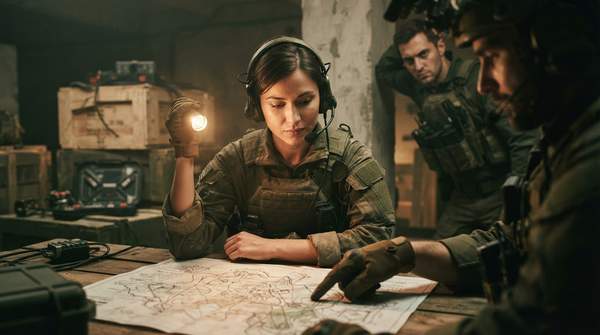
Rainbow Six Siege's Difficulty Is a System, Not a List: The Three Pillars of Its Tactical Depth
Rainbow Six Siege's enduring tactical depth and difficulty stem from three interconnected systems: environmental manipulation, operator counter-play, and information control. Mastering the interplay between these pillars, rather than individual mechanics, is key to player improvement and adapting to the evolving meta.

How Stadium Atmosphere Becomes Home-Field Advantage: The Psychology Behind the Noise
Home-field advantage is a measurable psychological phenomenon driven by crowd support, opponent disruption, and official bias, deliberately engineered through stadium design to amplify these effects. Understanding the causal chain from environmental input to on-field outcome reveals how noise and familiarity create a concrete advantage.
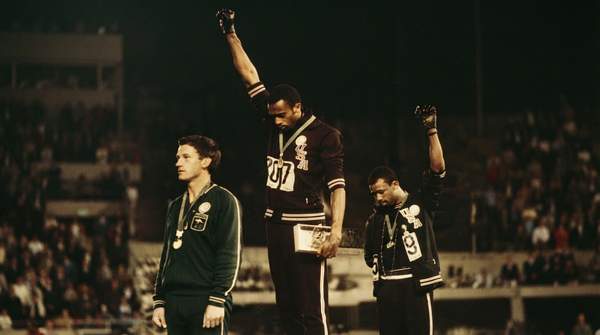
Raised Fists and Green Flags: A Short History of Olympic Athlete Activism and Its Punishment
The article traces the history of Olympic athlete activism, from Peter O'Connor's 1906 flag protest to Tommie Smith and John Carlos's iconic 1968 Black Power salute. It examines the recurring pattern of athletes expressing political views and the Olympic establishment's efforts to suppress such dissent.

Want Recurring Revenue Instead of Sponsorship? 5 Ways SVS Insiders Gets It Done for Everyone in the Motorsports Industry
For generations, the financial health of a motorsports career has been tethered to a high-stakes, year-to-year cycle of securing sponsorships. This traditional model, while foundational, creates immense pressure and fina…

Two Kinds of Loyalty: What Social Identity and Identity Fusion Reveal About Sports Fandom
Sports fandom is explained by two psychological theories: Social Identity Theory, where loyalty stems from group belonging, and Identity Fusion Theory, where personal and group identities blur into a family-like oneness. Understanding these mechanisms reveals the deep, often irrational, emotional attachments fans have to their teams.

Rebels, Macho Risk-Takers and Nature Conquerors: The Archetypes That Shape Extreme Sports Stories
Extreme sports media consistently employs recurring narrative archetypes, such as the macho risk-taker, the anti-society rebel, and the nature conqueror, to frame athlete performances. Understanding these storytelling templates and the technology that captures them is crucial for critically analyzing extreme sports content.

Athlete-Owned Media, Explained: Four Shifts Reshaping Who Tells Sports Stories
A USC study reveals athletes are increasingly becoming creators and owners of their own media, disrupting traditional sports storytelling with four key shifts and highlighting a significant gender equity gap.

Static, Dynamic, or PNF? Matching Your Stretching Method to Your Sport and Goal
Athletes should use dynamic stretching in warm-ups for power and performance, reserving static or PNF stretching for cool-downs and dedicated flexibility sessions. This approach aligns with sports science shifts and sport-specific flexibility demands.

From Start to Finish: 5 Ways PlayNow Portal Helps Casino Players Find Top Games
Navigating the vast world of online casinos can be overwhelming for any player. With countless games, platforms, and promotions appearing daily, finding the best options often feels like a full-time job. PlayNow Portal s…

Four Periodization Models Compared: Which Training Structure Fits Your Season?
Choosing the right periodization model for endurance training is crucial, as no single approach is universally superior. This article compares four key models—Traditional, Reverse Linear, Non-Linear, and Block—to help athletes dynamically select the best structure based on their experience, race calendar, and training complexity.

How Sports Fandom Builds Local Identity: Three Mechanisms, One Double-Edged Sword
Sports fandom builds local identity through three mechanisms: fostering social bonds, forging shared group identity, and embedding itself in local culture. However, these same processes can also create divisions and polarization.

From Ground to Clubhead: How the Kinetic Chain Builds Golf Swing Power
A powerful golf swing relies on the kinetic chain, where energy is sequentially transferred from the pelvis, torso, and arms to the clubhead, amplifying speed. Understanding this proximal-to-distal sequence and its biomechanics is key to improving clubhead speed and performance, outperforming brute strength alone.

Five Features to Compare Before Buying a Sports Watch: GPS, Heart Rate, Battery, Software and the Trade-offs Between Them
Choosing the right sports watch involves understanding key features like GPS, heart rate monitoring, and battery life, and their inherent trade-offs. This guide helps you align these features with your specific training needs and environment for optimal performance.

How Nomad Builds Brands That Turn Audiences Into Fans
In the competitive worlds of sports, media, and entertainment, simple recognition is no longer enough. Being known is not the same as being followed, shared, and defended by a loyal base. For brands navigating this lands…

Overlay or Immersion: How AR and VR Are Splitting the Sports Viewing Experience in Two
Augmented reality (AR) and virtual reality (VR) are transforming sports viewing by offering distinct experiences: AR overlays digital information onto live broadcasts, while VR creates fully immersive simulated environments. Understanding this difference is key to choosing the next-generation sports experience that best suits your viewing preferences.
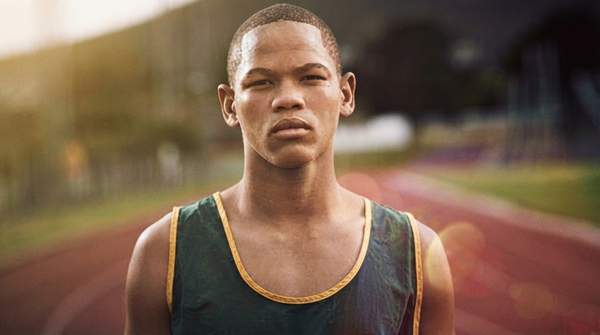
Early Sports Specialization: Psychological Risks, Multi-Sport Benefits, and How to Decide What's Right for Your Athlete
Early sports specialization poses psychological risks like burnout and anxiety, while a multi-sport approach fosters healthier development and is common among elite athletes. This article offers a framework for parents and coaches to assess an athlete's well-being and make informed decisions.

From the Bleachers to the Algorithm: The Three Stages of Modern Sports Scouting
Sports scouting has evolved from traditional observation to a data-driven discipline, progressing through statistical analysis, biomechanical tracking, and AI-powered prediction. This evolution augments, rather than replaces, the crucial role of human judgment in identifying athletic talent.