
All Stories

Ice Baths, Stretching, and Massage: What Recovery Science Actually Supports
Current scientific evidence suggests that popular recovery modalities like ice baths, stretching, and massage do not reliably improve objective performance in endurance athletes compared to passive rest. While these methods may reduce perceived soreness, their effectiveness for measurable gains remains largely unproven.

4 Overlooked Failures in Cheap Golf Accessories—and Why Aiming Fluid Golf Builds Systems Instead
This article highlights common failures in cheap golf accessories, from unreliable magnets to general wear, and introduces Aiming Fluid Golf's approach to designing integrated, high-performance systems for a smoother on-course experience. It specifically details how their Magna-Anchor ™ system addresses magnetic retention issues.

Streaming the Game: How Sports Rights Holders Choose Between Reach, Revenue, and Fan Data
Sports rights holders face a strategic choice among three streaming distribution models: direct-to-consumer (DTC), hybrid, and platform-exclusive. Each model involves distinct trade-offs between immediate revenue, audience reach, and ownership of fan data.

Three First Steps for College Athletes Managing NIL Money: Taxes, a Budget, and the Right Advice
College athletes managing Name, Image, and Likeness (NIL) earnings must first understand their tax obligations as independent contractors and set aside funds for taxes. The next crucial steps involve building a practical budget for daily needs and seeking qualified professional financial guidance early to secure their financial future.

How Modern Baseball Shifts Are Calculated: The Math Behind Where Fielders Stand
Modern baseball defensive shifts are calculated using mathematical optimization models that combine batter-specific historical data with fielder coverage zones. These models aim to maximize the probability of recording an out by determining the optimal fielder alignment.

Four Factors That Matter More Than a Program's Reputation: A Parent's Decision Framework for Youth Sports
Choosing a youth sports program involves evaluating coaching philosophy, age-appropriate development, safety, and family fit, rather than relying solely on reputation. This framework helps parents make an evidence-based decision to ensure their child's long-term development and enjoyment in sports.

What Athletes Should Know About Trael Hydration's Tropical Splash Hydration Electrolyte Drink 12-Pack
For athletes dedicated to clean nutrition, finding a recovery drink that aligns with a whole-food philosophy can be challenging. Trael Hydration addresses this need with its Tropical Splash Hydration Electrolyte Drink. T…
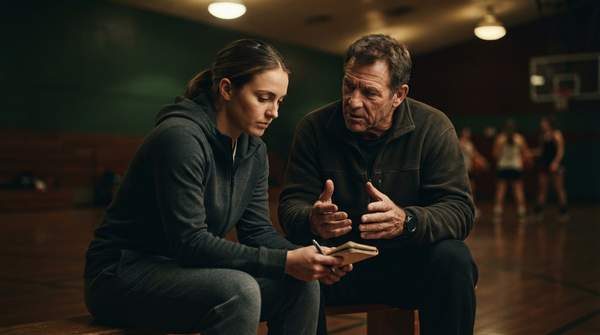
Building a Holistic Coaching Philosophy: The Three Pillars That Turn Values Into Daily Decisions
A holistic coaching philosophy is built on three pillars: individual-centered development, team culture and psychological safety, and adaptive strategic leadership. This framework helps coaches align their values with daily decisions for consistent, effective leadership.
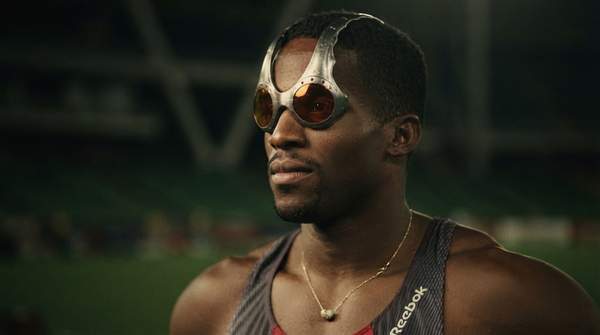
Modern Sports Eyewear, Decoded: Which Frame Materials and Lens Technologies Actually Matter for Your Sport
Choosing sports eyewear involves understanding frame materials like TR90 and polycarbonate, and lens technologies such as anti-fog and polarized lenses. Match these features to your sport's specific demands for optimal performance and protection.

From the Ground to the Hand: How the Kinetic Chain Powers the Pitch and the Serve
Powerful athletic actions like pitching and serving rely on the kinetic chain, a sequential transfer of energy from the legs and core through the body to the arm and hand. Optimizing this chain maximizes velocity and minimizes injury risk by ensuring proper force distribution.

Why Sports and Esports Fandoms Are Converging Into One Audience
Traditional sports and esports fandoms are converging due to shared psychological drivers like emotional investment and community, alongside business needs for traditional sports to attract younger, digitally native audiences. This trend is fostering a new 'hybrid fan' identity.

What to Expect From El Sueño Baseball's 12 Sessions Coaching Program
For aspiring baseball players and their families, finding a structured path to skill improvement is crucial. El Sueño Baseball offers a professional coaching program designed to deliver progressive, focused training. Und…

Five Forces Behind the Soaring Value of Sports Media Rights in the Streaming Era
The value of sports media rights is rapidly increasing due to five interlocking forces: live audience scarcity, subscriber acquisition power, rights fragmentation, globalization, and direct-to-fan data monetization. These factors create a feedback loop that drives up valuations for leagues and platforms.

Five Stadium Innovations That Fix the Fan's Real Problems—And What They Demand From Venues
Modern stadiums are transforming into technology platforms to solve fan frustrations like long entry lines and missed plays through innovations such as facial recognition, in-seat ordering, and immersive displays. These advancements aim to create a seamless, immersive game-day experience and foster year-round fan engagement.

From "the Honor of Our Country" to "a Fairer World": How the Olympic Oath Rewrote Itself Over a Century
The Olympic Oath has undergone significant revisions since its 1920 inception, evolving from a pledge for national honor to a modern commitment addressing nationalism, doping, unity, and inclusion. Each change reflects the Olympic movement's adaptation to contemporary ethical challenges and societal values.
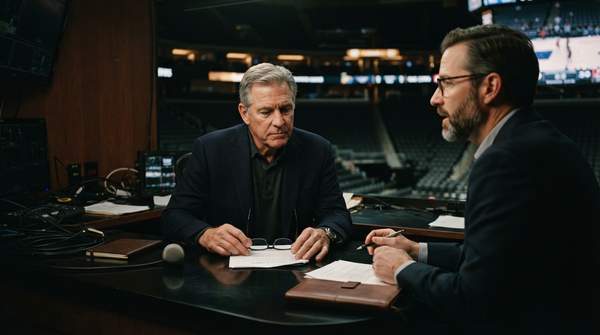
Three Forces Behind Every Big Sports Broadcasting Move: Network Strategy, On-Air Appeal, and the Contract Clock
Big sports broadcasting talent moves are driven by a predictable three-factor pattern: a network's brand strategy, the individual's on-air appeal, and financial/contractual pressures. Understanding these drivers helps explain why stars like Troy Aikman and Mike Tomlin switch networks.

From Logo Placement to Co-Created Storytelling: How Sports Sponsorship Changed Models
Sports sponsorship has evolved from a visibility business focused on logo placement to an engagement business centered on co-created storytelling and measurable fan behavior. Modern partnerships prioritize deeper connections, shared purpose, and data-driven insights over traditional metrics.

How Title IX Rewrote the Rules of Women's College Sports — and Where Equity Still Falls Short
Title IX revolutionized women's college sports by banning sex discrimination, leading to a 450% increase in participation since 1972. Despite these gains, persistent disparities in funding, facilities, and enforcement continue to challenge full equity.

Ballparks as Venues, Leagues as Platforms: Two Paths to Non-Ticket Revenue in Minor League Sports
Minor league sports teams can boost non-ticket revenue by either renting out their physical stadiums for non-game day events or by participating in a league-mandated digital marketplace. The optimal strategy hinges on whether a team's primary untapped asset is its venue infrastructure or its brand's digital reach.

Four Ticket-Sale Models Explain Why Teams Love Resale and Fans Pay More
Sports teams have transformed ticket resale from a nuisance into a key revenue stream by adopting economic models that capture secondary market value. The dominant 'controlled resale' approach allows teams to profit from price fluctuations while ensuring tickets reach the highest-valuing fans.

How Performance Apparel Is Engineered: Materials, Finishes, and Construction
Performance apparel is engineered through three distinct levels: base materials, specialized finishes, and garment construction. Understanding these engineering principles allows consumers to decode product claims and make informed choices about functionality.

Why 1 in 6 NFL Players Go Broke—And How Athletes Can Build a Financial Plan That Survives Retirement
A significant number of NFL players face bankruptcy within years of retirement due to the unique financial pressures of sudden wealth and short careers. Proactive financial planning, a dedicated team of advisors, and a structured game plan are essential for athletes to build lasting financial security.

From Bidding Wars to Continuous Dialogue: How Olympic Host Cities Are Now Chosen
The International Olympic Committee has moved away from competitive bidding for host cities, adopting a collaborative "continuous dialogue" process. This shift prioritizes sustainability, legacy, and cost-efficiency, addressing issues from past bidding wars.

Underdogs and Exposés: How Five Kinds of Sports Films Rewrite the Athlete Narrative
Sports films construct athlete narratives through two dominant traditions: inspirational dramas that create flawed heroes and critical documentaries that expose systemic issues. Understanding these approaches reveals how films shape public perception of athletes and competition.